
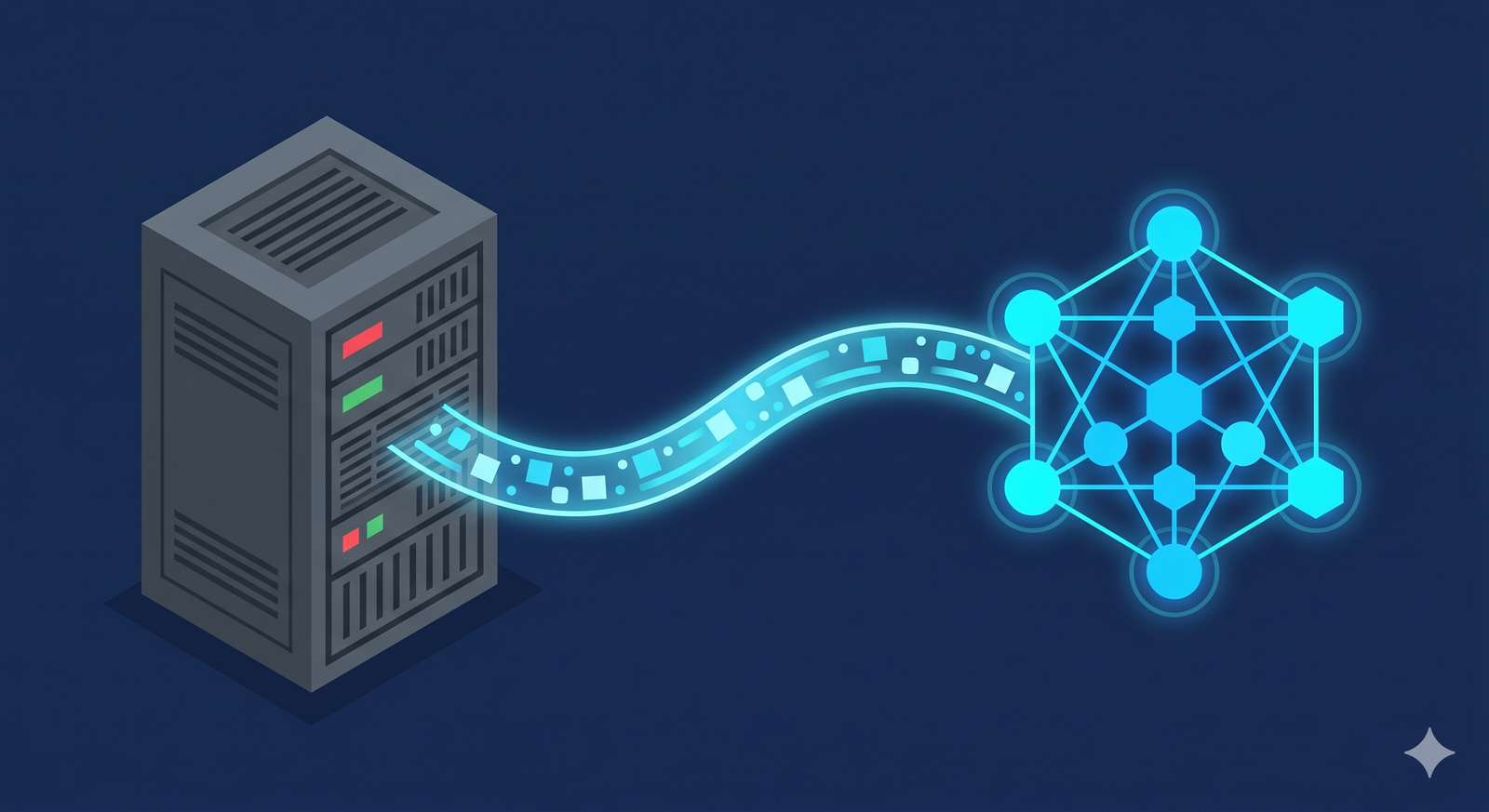
Connecting legacy data systems to modern AI expectations requires extracting siloed enterprise data, transforming it into machine-readable formats, and loading it into vector databases or data lakes where large language models and machine learning algorithms can process it. You cannot simply plug generative AI into a thirty-year-old mainframe. You must build a scalable data pipeline using change data capture, modern APIs, and cloud infrastructure to bridge the gap between outdated storage and real-time computational needs.
Organizations face a difficult engineering reality today. They possess decades of valuable historical data, but this information remains locked in monolithic architectures. Generative AI and advanced predictive models rely on structured, accessible, and high-velocity data. Connecting these two vastly different worlds represents the primary infrastructure challenge of the current decade. This guide breaks down the exact technical methods to integrate legacy data with machine learning without disrupting your core business operations.
The Reality of Legacy Data vs. AI Needs
Enterprise data architectures from twenty years ago were built to record transactions. They were not built to train neural networks. Relational databases from the early 2000s prioritize storage efficiency, strict schemas, and ACID compliance. Modern artificial intelligence, conversely, requires massive parallel processing and the ability to comprehend unstructured data rapidly.
According to industry data cited in the MuleSoft 2025 Connectivity Benchmark Report, 95 percent of IT leaders report that integration hurdles directly impede their AI implementation efforts. The average enterprise utilizes nearly 900 separate applications, yet barely 28 percent of these systems communicate with each other. This extreme fragmentation creates severe data silos. AI models trained on isolated fragments of data inevitably hallucinate or produce highly inaccurate insights. Connecting legacy databases to AI tools means breaking down these silos fundamentally.
Why Traditional ETL Fails Modern AI
Extract, Transform, Load processes have served businesses well for standard operational reporting. They extract batch data overnight and load it into a static dashboard for morning review. AI applications require a completely different approach because they demand real-time context.
When you train custom models or build a retrieval-augmented generation pipeline, latency destroys the end-user experience. Traditional batch processing cannot feed real-time prompts effectively. You need continuous data replication. Furthermore, legacy systems often lack proper documentation. Engineers spend countless hours reverse-engineering business logic just to understand what the table columns actually mean. Recent McKinsey research on legacy system modernization highlights that IT teams can waste over 16 hours a week just maintaining these older systems rather than building new capabilities.
To achieve true enterprise AI data integration, we must abandon slow batch processing in favor of event-driven architectures.
5 Steps to Connect Legacy Data Systems to Modern AI Tools
Transitioning from on-premise silos to an AI-ready architecture requires a methodical, engineering-first approach. You must ensure absolute data integrity while minimizing production downtime.
Step 1: Perform Data Triage and Auditing
You cannot and should not migrate everything at once. Start by identifying the specific data sets that actively serve your immediate AI objectives. Run a comprehensive data audit to map dependencies, formats, and regulatory compliance requirements. If you are building an intelligent customer service bot, prioritize CRM databases and historical support ticket logs. Strong data analytics foundations begin with knowing exactly what information you possess. Leave irrelevant or highly sensitive legacy data archived if it does not directly serve the machine learning objective.
Step 2: Establish the Extraction Layer
Directly querying a legacy mainframe for an AI application will likely crash the production system. You need an isolated extraction layer. Implement Change Data Capture to monitor and replicate database changes in real-time without straining the legacy environment. Change Data Capture reads the database transaction logs directly and streams the updates to a modern staging area. For older systems lacking accessible transaction logs, consider using the Strangler Fig pattern to gradually wrap legacy functions with modern REST or GraphQL APIs.
Step 3: Centralize via Cloud Data Warehouses
Extracting the data represents only the first phase. You must route it to a centralized repository. Cloud data lakes or warehouses act as the essential staging ground for your AI models. This centralization standardizes the disparate data formats. It allows disconnected systems—like an old AS/400 inventory tracker and a modern SaaS billing platform—to finally merge into a single source of truth. Proper centralization provides the clean raw material necessary for complex machine learning models to identify hidden patterns across your entire business footprint.
Step 4: Implement Vectorization and Embeddings
Generative AI does not understand SQL tables natively. Language models process mathematical representations of data called vectors. Once your data sits securely in a modern warehouse, you must process it through an embedding model. This converts your text, documents, and records into high-dimensional numerical vectors. You then store these embeddings in a specialized vector database. When a user queries your AI, the system searches the vector database for mathematical similarities rather than exact keyword matches. This concept forms the core engine behind modern natural language processing applications.
Step 5: API Integration and Model Deployment
The final step connects the newly structured data to the end-user application. Deploy your AI models as independent microservices. Use secure API gateways to allow your enterprise applications to request insights from the AI layer seamlessly. The AI retrieves the necessary context from the vector database, processes the prompt, and returns the output to the user. If you are building solutions involving visual data, this microservice architecture easily supports computer vision pipelines by pulling image data from the central lake and running it through your deployed vision models.
Managing Data Governance and Compliance
Moving data from a secure, isolated legacy system into a cloud environment introduces significant security variables. You cannot sacrifice compliance for the sake of artificial intelligence. Connecting legacy data systems to modern AI expectations means implementing strict access controls at the vector database level.
If your original SQL database restricts employee access based on their department, your new AI retrieval system must enforce those exact same restrictions. Otherwise, a basic user prompt could extract confidential executive payroll data. Implement role-based access control within your API gateway. Furthermore, ensure that sensitive personally identifiable information undergoes anonymization or pseudonymization before the embedding model ever processes it.
Legacy Systems vs. Modern AI Requirements
Understanding the technical divide helps clarify the architectural changes you must make. The table below outlines the primary differences between old infrastructure and new expectations.
| Architecture Feature | Legacy Data Systems | Modern AI Expectations |
| Storage Format | Highly normalized relational tables | Unstructured data lakes and vector stores |
| Processing Speed | Overnight batch processing (ETL) | Real-time streaming and low latency (CDC) |
| System Integration | Point-to-point hardcoded scripts | API-first design and microservices |
| Scalability Mode | Vertical scaling (adding hardware) | Horizontal scaling (cloud compute) |
| Primary Output | Static reports and historical audits | Predictive models and generative text |
Case Study: Overcoming the Enterprise Integration Hurdle
Consider the sheer scale of the global data problem. IDC estimates that global data creation will reach 181 zettabytes by the end of 2025. A massive portion of this enterprise data remains trapped in aging infrastructure.
A clear example involves the financial sector. Traditional banks rely heavily on old mainframes to process daily ledger transactions. A mid-sized financial institution recently attempted to deploy an AI-driven fraud detection system. Initially, the project stalled entirely because the AI could only access week-old batch data. The AI was rendering verdicts on money that had already left the building.
The engineering team implemented a modern pipeline, streaming transaction logs directly into a cloud-based machine learning environment. This reduced their data latency from 24 hours to under three seconds. The AI model could finally analyze transaction patterns in real-time, catching fraudulent activity before funds cleared the network. The cost of failing to modernize your data pipelines is steep. Reports on the cost of a data breach note that financial data breaches average over $6 million per incident. Outdated systems possess three times as many vulnerabilities as modern environments.
The Role of Custom Architecture
Off-the-shelf AI tools rarely integrate smoothly with heavily customized legacy architectures. Every single organization possesses unique database schemas, undocumented business rules, and specific compliance mandates. Gartner market projections indicate application modernization is a massively growing sector simply because one-size-fits-all software fails to bridge this gap.
Successfully connecting these environments requires deep software engineering expertise. You must design custom AI development workflows that respect your existing security protocols while simultaneously satisfying the massive data appetite of modern algorithms. Rushing this integration process inevitably leads to exposed data or AI models that output dangerous hallucinations based on missing context.
Conclusion and Next Steps
Connecting legacy data systems to modern AI expectations is not a simple software update. It requires a fundamental architectural shift. You must extract your data safely, centralize it in the cloud, convert it into vectors, and expose it through secure microservices.
To start moving your organization forward, take these three concrete actions today:
- Audit your legacy systems to identify exactly which databases contain high-value information relevant to your business goals.
- Evaluate Change Data Capture tools to determine how you can safely extract information without impacting your current daily server performance.
- Establish a tightly scoped pilot project using a small, sanitized subset of data to test your vectorization and retrieval-augmented generation pipelines.
If you need expert engineering guidance navigating this complex architectural transition, our AI consulting strategy team can help you map out the exact process. Contact us at https://tensour.com/contact to start building your data bridge today.
Leave a Reply