
Scaling a 20-Truck Fleet: How We Automated Morning Dispatch, Solved Split Deliveries, and Cut Fuel Costs by 20%

A production case study on moving beyond Excel spreadsheets and WhatsApp dispatching using Python, Google OR-Tools, and OpenStreetMap. Every morning at 6:30 AM, dispatch managers at regional delivery hubs face the same high-stakes puzzle: Dozens of customer orders are waiting, delivery trucks are idling at the loading dock, and drivers are anxious to hit the […]
Architecting Machine Learning Systems for Fintech Fraud Detection

Machine learning architectures for fintech fraud detection utilize real-time data streaming pipelines and ensemble algorithms to instantly identify and block unauthorized transactions. Specifically, these systems analyze thousands of behavioral and financial variables in milliseconds before a payment clears. Consequently, financial institutions can stop complex cybercrime while minimizing payment friction for legitimate customers. Currently, legacy rule-based […]
Financial Data Vectorization for Retrieval-Augmented Generation
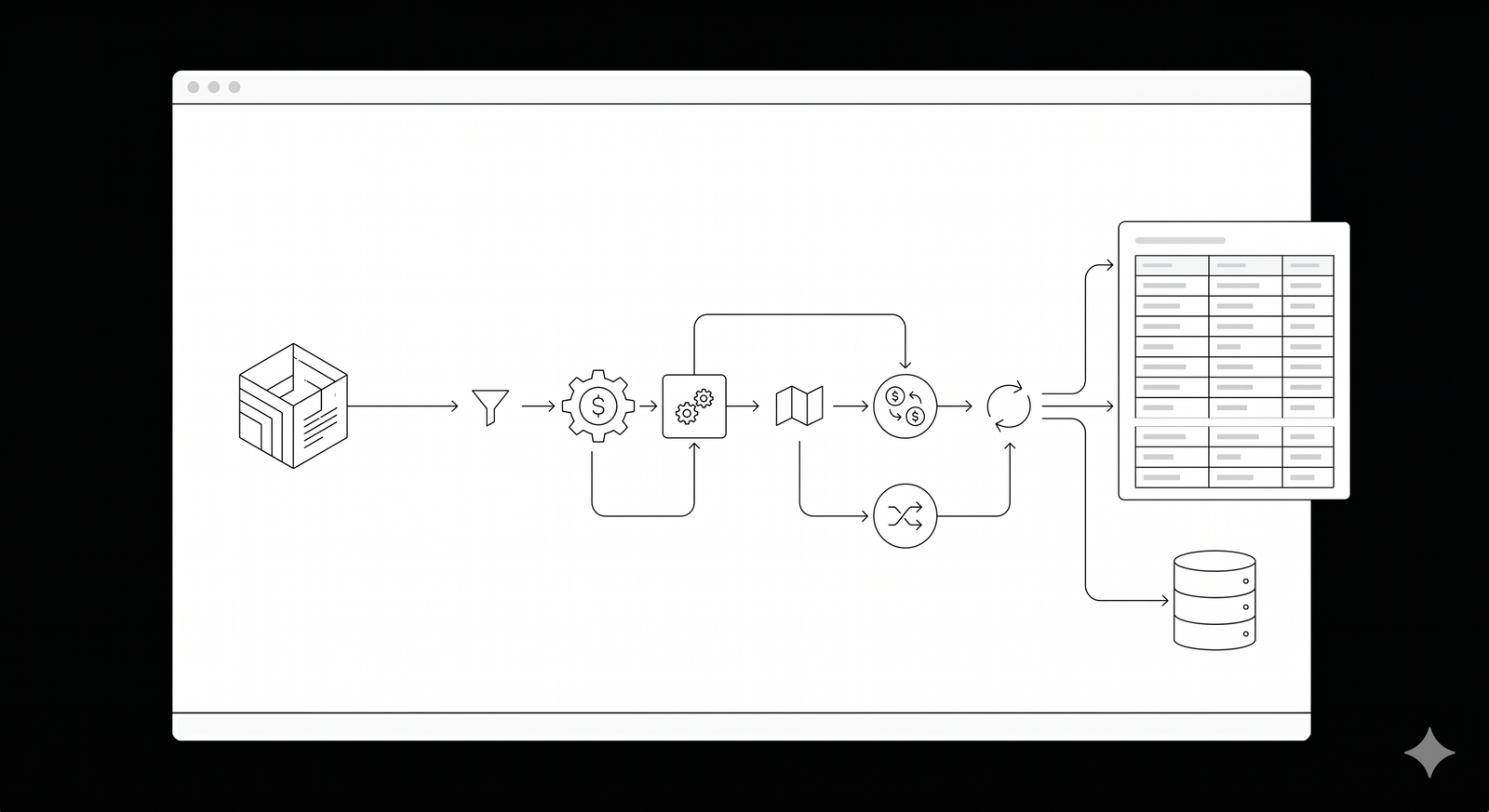
Financial data vectorization for Retrieval-Augmented Generation (RAG) is the precise technical process of converting dense financial documents into numerical arrays, or embeddings, so artificial intelligence can accurately search them. Accordingly, by utilizing structural chunking and domain-specific embedding models, developers ensure large language models retrieve exact numerical facts instead of hallucinating. Consequently, you can transform complex […]
How AI-Fueled Smart Inventory Transforms Retail Media Networks

AI-fueled smart inventory directly connects real-time warehouse stock levels with digital advertising placements across retail media networks. By automatically pausing ads for out-of-stock items and actively promoting overstocked goods, retailers instantly stop wasting ad budgets. This technical integration ensures that programmatic algorithms only display products that customers can actually purchase today. The global retail media […]
When to Use Support Vector Machines vs Decision Trees in Classification

How to choose the best algorithm for your next classification project? To put it simply, you should use Support Vector Machines (SVM) when handling high-dimensional, continuous data where finding a complex mathematical margin is crucial. Conversely, you must choose Decision Trees when you need complete interpretability and your data involves mixed or categorical variables. Both […]
Fix Imbalanced Datasets in Machine Learning with SMOTE

Imbalanced datasets occur when one target class significantly outnumbers another in your training data. Consequently, machine learning models often ignore the minority class and simply predict the majority class to achieve high accuracy. SMOTE (Synthetic Minority Over-sampling Technique) solves this problem directly by generating synthetic, highly realistic examples of the minority class. Therefore, mastering SMOTE […]
ML Predictive Models for Retail Inventory Optimization

Machine learning predictive models for retail inventory optimization are advanced data-driven algorithms that analyze historical sales, market trends, and seasonal data to forecast exact product demand. Consequently, these systems allow retailers to automate stock replenishment, align supply with actual consumer needs, and reduce holding costs significantly. Therefore, transitioning to these AI-driven systems is no longer […]
How to Implement the llms.txt Protocol for E-Commerce Catalogs
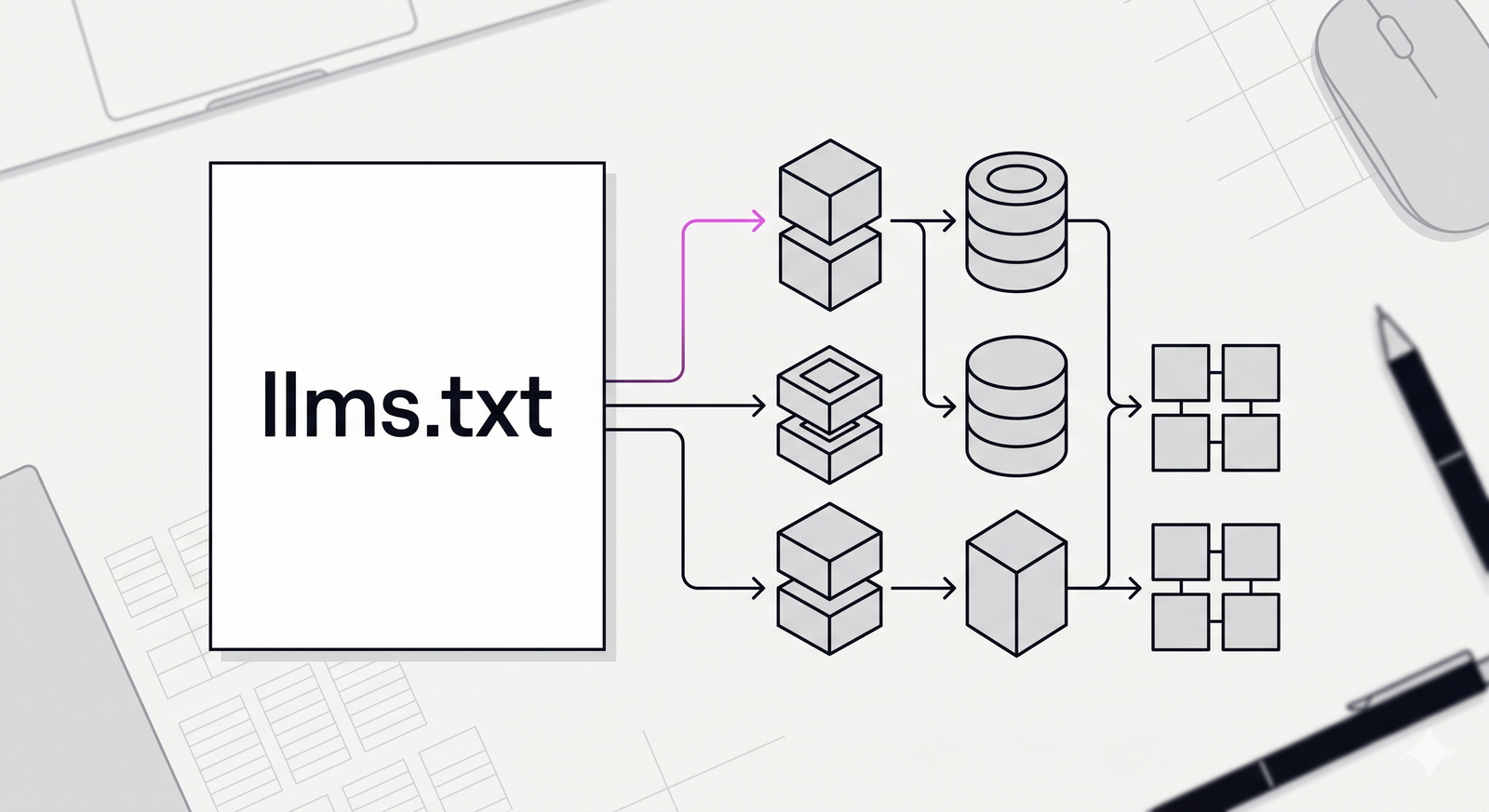
how AI bots actually read your online store’s product pages? Implementing the llms.txt protocol for complex e-commerce catalogs involves creating a centralized file at your domain root that points to clean, text-based Markdown summaries of your product data. Consequently, this allows AI agents and Large Language Models to read, index, and recommend your inventory directly […]
How to Handle Out-of-Stock and Variant Data For AI Crawlers?

You handle out-of-stock and variant data for AI crawlers by implementing strict JSON-LD schema markup and precise HTTP status codes natively in your HTML. This architectural approach explicitly tells language models exactly what is available to buy right now. Consequently, you prevent generative engines from hallucinating inventory, thereby protecting your brand reputation and securing your […]
Building Agentic Customer Experiences for Retail Product Discovery

Agentic customer experiences in retail utilize autonomous artificial intelligence to actively guide shoppers through dynamic product discovery. Instead of forcing users to navigate static categories, these AI agents converse with customers, interpret complex intent, and autonomously retrieve highly relevant products. Consequently, this conversational approach reduces search abandonment and dramatically accelerates the path to purchase for […]